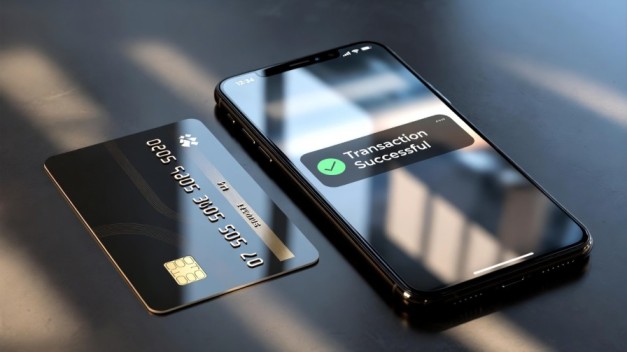
Debit Card: What Is It and How Does It Really Work?
If you’ve ever swiped, tapped, or inserted a plastic card to pay for groceries, online shopping, or a subscription service, you’ve likely used a debit card. But Debit Card What is it, really?
A debit card is not just a payment tool. It is a direct gateway to your bank account—efficient, powerful, and potentially risky if misunderstood. Unlike credit cards that borrow money, debit cards use your own funds in real time. That distinction alone changes how you spend, budget, and manage financial discipline.
In this in-depth guide, we will unpack exactly what a debit card is, how it works behind the scenes, its advantages and disadvantages, hidden fees, security risks, and how to use it strategically in 2026.
Debit Card What Is It? The Fundamental Definition
At its core, a debit card is a payment card linked directly to your checking or savings account. When you make a purchase, the money is immediately withdrawn from your account balance.
Think of it as a digital version of cash—only smarter and faster.
Unlike credit cards that extend a line of credit, debit cards only allow spending what you already have. That simple principle makes debit cards one of the most widely used financial tools globally.
According to global banking data and reports from institutions like the World Bank, debit card penetration continues to grow rapidly in emerging markets due to increasing digital banking adoption.
How Does a Debit Card Work? The Real-Time Transaction Process
To understand Debit Card What is it, you must understand the transaction flow.
Here’s what happens when you tap or swipe:
1. Payment Authorization
When you use your debit card at a point-of-sale (POS) machine, the merchant’s terminal sends a request to the payment network (like Visa or Mastercard).
2. Bank Verification
Your issuing bank checks:
-
Available balance
-
Card validity
-
Fraud detection signals
If sufficient funds exist, approval is sent instantly.
3. Fund Deduction
The amount is either:
-
Immediately deducted (real-time debit), or
-
Temporarily held (authorization hold) and settled later
The entire process takes seconds.
For online purchases, additional verification such as OTP (One-Time Password) or 3D Secure authentication is often required.
Types of Debit Cards: Not All Cards Are the Same
A debit card is not a one-size-fits-all product. Different variants serve different purposes.
Standard Debit Cards
These are issued by most banks and linked to checking accounts. Suitable for everyday transactions.
ATM Debit Cards
Primarily for ATM withdrawals but may have limited merchant usability.
Contactless Debit Cards
Enabled with NFC technology for tap-and-pay transactions. Faster and widely accepted globally.
International Debit Cards
Allow cross-border transactions and online foreign currency purchases.
Debit Card vs Credit Card: The Critical Difference
Many people confuse debit and credit cards. The difference is fundamental.
| Feature | Debit Card | Credit Card |
|---|---|---|
| Source of Funds | Your bank balance | Borrowed money |
| Interest | None (unless overdraft) | Yes (if unpaid) |
| Spending Limit | Account balance | Credit limit |
| Impact on Credit Score | Minimal | Significant |
Debit cards promote financial discipline. Credit cards build credit history but require responsible repayment.
If your goal is strict budget control, debit wins. If your goal is credit-building and reward maximization, credit may be more strategic.
Advantages of Using a Debit Card
Understanding Debit Card What is it also means understanding its strategic benefits.
1. No Debt Accumulation
You cannot overspend beyond your balance (unless overdraft is enabled).
2. Instant Spending Awareness
Every transaction reflects immediately in your banking app.
3. Easy Online Payments
From streaming subscriptions to e-commerce platforms, debit cards are universally accepted.
4. Lower Risk of Long-Term Financial Damage
Since there’s no borrowing, there’s no compounding interest trap.
Disadvantages You Must Not Ignore
Debit cards are powerful—but not flawless.
1. Limited Fraud Protection
Credit cards often offer stronger chargeback protection. If debit fraud happens, your real money is temporarily frozen.
2. No Credit Score Boost
Debit transactions do not help build your credit history.
3. Overdraft Fees
If overdraft protection is enabled, you may face unexpected fees.
According to financial consumer protection data from agencies like the Consumer Financial Protection Bureau, overdraft fees remain one of the most common hidden banking charges.
How to Use a Debit Card Safely in 2026
Security is not optional. It’s essential.
Always Enable Transaction Alerts
SMS or app notifications help you detect fraud instantly.
Avoid Public WiFi for Online Transactions
Public networks increase vulnerability to cyberattacks.
Never Share CVV or OTP
Banks never ask for these details over phone calls.
Use Two-Factor Authentication
Modern banking apps support biometric verification.
Digital fraud is evolving rapidly. Following global cybersecurity guidelines from organizations like the Federal Trade Commission can significantly reduce risk.
Can a Debit Card Be Used Internationally?
Yes—but with conditions.
Most international debit cards operate through global payment networks such as Visa or Mastercard.
However, foreign transaction fees may apply, typically ranging between 1%–3%.
Before traveling, always:
-
Inform your bank
-
Confirm international activation
-
Check ATM withdrawal fees abroad
Debit Card Fees: The Hidden Costs
While debit cards seem free, banks may charge:
-
ATM withdrawal fees (out-of-network)
-
International transaction fees
-
Replacement card fees
-
Overdraft fees
-
Inactivity charges (in rare cases)
Always read your bank’s fee disclosure document.
Transparency matters more than marketing.
Is a Debit Card Good for Online Business or Freelancing?
For beginners in digital earning, debit cards are often the first financial tool.
They are suitable for:
-
Receiving small payments
-
Paying for tools and subscriptions
-
Managing operational expenses
However, for scaling online income or business expansion, credit cards may provide better cash flow flexibility.
If you’re exploring Online Earning & Career strategies, choosing the right financial instrument can directly impact profitability.
Who Should Use a Debit Card?
A debit card is ideal for:
-
Students managing limited budgets
-
Individuals avoiding debt
-
Freelancers needing simple banking
-
Daily expense tracking users
It is less ideal for:
-
Frequent travelers seeking travel rewards
-
Credit score builders
-
Business owners needing revolving credit
The Future of Debit Cards: Digital Evolution
The debit card landscape is shifting.
-
Virtual debit cards
-
Biometric authentication
-
AI-based fraud detection
-
Instant card freezing via mobile apps
Fintech innovation is transforming traditional banking into smart banking.
In the next five years, physical cards may gradually decline as digital wallets dominate.
Frequently Asked Questions (FAQ)
1. Debit Card What Is It in Simple Words?
A debit card is a payment card linked directly to your bank account. When you use it, money is immediately deducted from your available balance. You are not borrowing funds; you are spending your own money.
2. Is a Debit Card the Same as an ATM Card?
Not exactly.
An ATM card is primarily used for withdrawing cash from ATMs. A debit card, however, can be used for:
-
ATM withdrawals
-
In-store purchases
-
Online shopping
-
International payments (if enabled)
Most modern debit cards combine both ATM and payment functions.
3. Can a Debit Card Build Credit Score?
No.
Debit card usage does not affect your credit score because it does not involve borrowing money. Credit scores are built through responsible use of credit products like credit cards, loans, or lines of credit.
4. Is It Safe to Use a Debit Card Online?
Yes, but only if proper precautions are taken.
To stay secure:
-
Enable two-factor authentication
-
Never share OTP or CVV
-
Use secure websites (HTTPS)
-
Activate transaction alerts
Following digital security guidelines from organizations like the Federal Trade Commission can significantly reduce fraud risks.
5. What Happens If My Debit Card Is Stolen?
Immediately:
-
Freeze or block the card via your banking app.
-
Inform your bank’s customer support.
-
Monitor recent transactions.
Many banks offer fraud protection policies, but response time is critical because debit fraud directly impacts your bank balance.
6. Can I Use a Debit Card Internationally?
Yes, if your card supports international transactions through global networks like Visa or Mastercard.
However, expect:
-
Foreign transaction fees
-
Currency conversion charges
-
ATM withdrawal fees abroad
Always confirm activation with your bank before traveling.
7. What Is Overdraft on a Debit Card?
Overdraft protection allows transactions even when your account balance is insufficient. The bank temporarily covers the amount and charges a fee.
According to reports highlighted by the Consumer Financial Protection Bureau, overdraft fees remain a major cost for consumers. Disabling overdraft can help avoid unnecessary charges.
8. Is a Debit Card Better Than Cash?
In many ways, yes.
Debit cards:
-
Are safer than carrying large cash
-
Provide digital transaction records
-
Allow online purchases
-
Offer instant balance tracking
However, for small offline purchases in areas without digital infrastructure, cash may still be practical.
9. Can I Have Multiple Debit Cards?
Yes.
You can have:
-
Multiple debit cards linked to different accounts
-
Supplementary cards for family members
-
Virtual debit cards for online use
Managing multiple cards requires disciplined tracking to avoid confusion.
10. Who Should Use a Debit Card?
A debit card is ideal for:
-
Students
-
Budget-conscious individuals
-
Freelancers
-
People avoiding debt
It may not be ideal for those seeking travel rewards or building credit history.
Debit Card What Is It and Why It Matters
So, Debit Card What is it?
It is more than a plastic card. It is a real-time financial control system that connects spending directly to your bank balance.
It prevents debt accumulation, encourages disciplined budgeting, and simplifies everyday transactions. However, it requires awareness of fees, fraud risks, and international charges.
Used wisely, a debit card becomes a powerful financial companion. Used carelessly, it can expose your real money to unnecessary risk.
Understanding how it works gives you control. And in personal finance, control is everything.